 Pin it
 I was standing at a farm stand one August afternoon, watching a woman shuck corn right into a basket, and the smell of raw sweetness hit me before I even touched an ear. That night I boiled four ears in salted water, slathered them in butter, and ate two by myself on the back steps. Corn on the cob doesn't need a story, but it always seems to create one. It's the kind of food that makes you slow down and use your hands.
The first time I grilled corn instead of boiling it, my neighbor leaned over the fence and said it smelled like a county fair. He wasn't wrong. The char adds a smoky edge that butter loves to cling to, and suddenly a simple ear of corn feels like an event. I've served it at backyard dinners where people stood around the grill waiting for the next batch, and I've eaten it alone on a Tuesday with nothing but salt. Both times felt right.
Ingredients
- Fresh corn on the cob: Look for tight green husks and moist silk, the kernels should feel plump when you press gently through the husk, and if you can, buy it the day you plan to cook it because sweetness fades fast.
- Unsalted butter: Softened butter spreads easier and melts into the hot kernels without tearing them, and using unsalted lets you control the salt level instead of guessing.
- Sea salt: Flaky salt clings better than table salt and gives you little bursts of flavor instead of an even coating, but any salt you have works fine.
Tired of Takeout? 🥡
Get 10 meals you can make faster than delivery arrives. Seriously.
One email. No spam. Unsubscribe anytime.
Instructions
- Boil the water:
- Fill a large pot with enough water to cover the corn and bring it to a rolling boil over high heat. Don't salt the water, it can toughen the kernels.
- Cook the corn:
- Drop the husked ears into the boiling water and let them cook for 5 to 7 minutes until the kernels turn bright yellow and tender. You'll know they're done when a kernel pops easily under your thumb.
- Grill option:
- If you're grilling, brush each ear lightly with oil and set them on a medium-high grill, turning every few minutes until you see charred spots and the kernels look glossy. It takes about 10 to 12 minutes total.
- Butter and season:
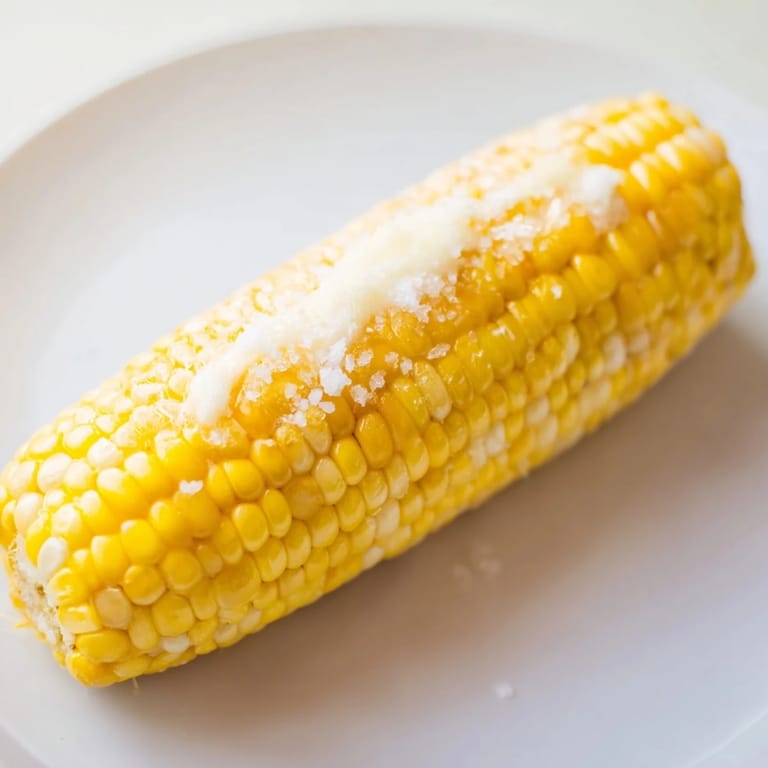
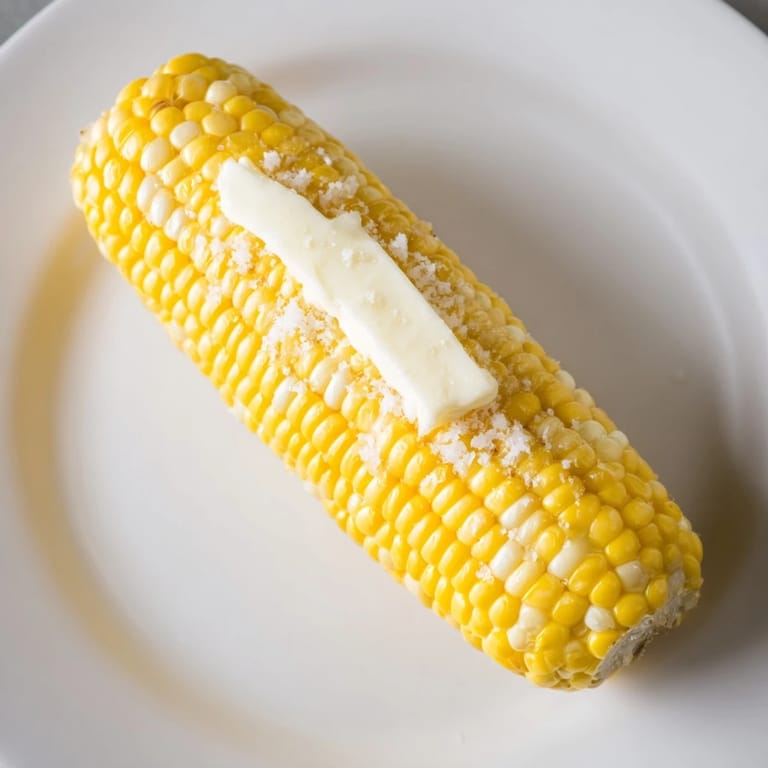
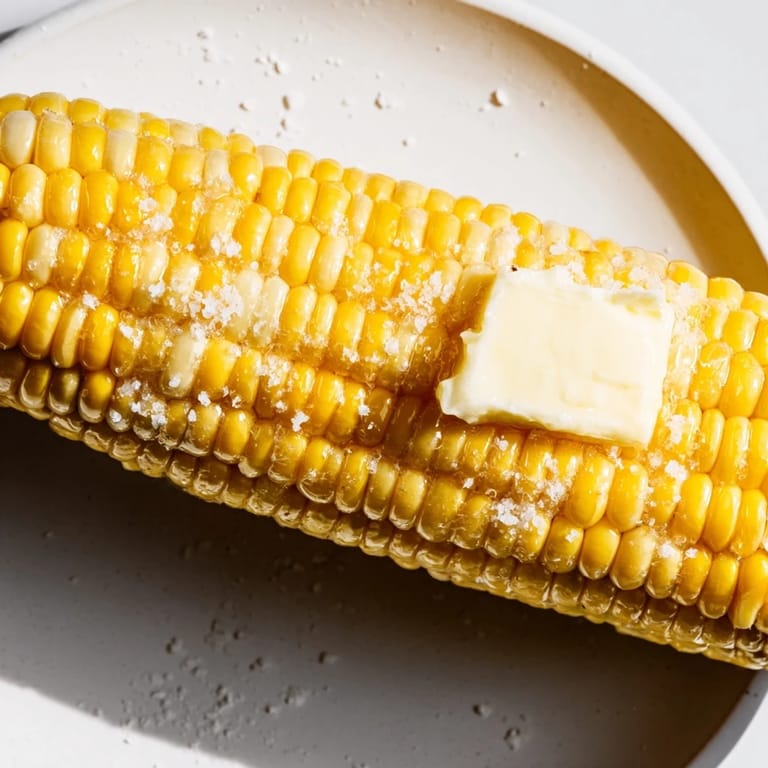
- Pull the corn out with tongs and pat it dry if it's wet. Spread softened butter over each ear while it's still hot so it melts into every row, then sprinkle salt across the top.
- Serve immediately:
- Corn tastes best when it's too hot to hold comfortably. Serve it on a platter with extra butter and salt on the side.
 Pin it
 One summer I made corn for a group of friends who'd never eaten it off the cob before, and watching them figure out the rhythm of it, butter on their fingers, laughing at the mess, reminded me why certain foods don't need to be complicated. Corn on the cob is permission to be messy and happy at the same time. It's one of the few things that tastes exactly like the season it comes from.
Flavor Variations
Once you've made buttered corn a few times, it's hard not to experiment. I've tried smoked paprika and grated Parmesan, which turns it smoky and salty in a way that feels indulgent. Lime juice and chili powder give it a bright, tangy kick that works especially well with grilled corn. Fresh herbs like cilantro or basil, chopped fine and sprinkled over butter, add a layer of green flavor that feels less expected. Sometimes I skip butter altogether and brush the corn with olive oil and garlic right off the grill.
Serving and Storage
Corn is best eaten right away, but if you need to keep it warm, wrap each ear in foil and stack them in a towel-lined basket. Leftovers can be stored in the fridge for a day or two, though the texture softens and you lose that crisp snap. I've reheated corn in a hot skillet with a little butter, which brings back some of the original feel, or you can slice the kernels off and toss them into salads, soups, or scrambled eggs the next morning.
Why Fresh Corn Matters
The difference between corn picked that morning and corn that's been sitting for a few days is the difference between candy and vegetables. Fresh corn has a natural sweetness that starts breaking down into starch the moment it's harvested, which is why farmers' market corn or roadside stand corn always tastes better. If you can't get it fresh, frozen corn works in other recipes, but for corn on the cob, freshness is everything.
- Look for corn with bright green husks that feel slightly damp.
- Peel back a small section of husk to check that the kernels are plump and tightly packed.
- Cook it the same day you buy it, or refrigerate it in the husk to slow down the sugar loss.
 Pin it
 Corn on the cob is one of those recipes that doesn't feel like a recipe at all, just a rhythm you fall into when the season's right. I hope you make it often enough that it stops feeling like something special and starts feeling like summer itself.
Recipe Questions & Answers
- → How do I know when the corn is cooked perfectly?
Cook the corn until kernels are bright yellow and tender. Boiling usually takes 5–7 minutes; grilling takes 10–12 minutes with occasional turning.
- → Can I add seasoning before cooking?
Brushing corn with oil before grilling helps with charring and flavor, but salt and butter are best added after cooking to preserve texture.
- → What are some popular flavor variations?
Enhance with smoked paprika, grated Parmesan, fresh herbs, or serve with lime wedges and chili powder for a zesty twist.
- → Is there a dairy-free alternative for butter?
Yes, plant-based butters work well for a dairy-free option without sacrificing creaminess.
- → How can I keep corn warm before serving?
Wrap cooked corn in foil to retain heat until ready to serve.
- → Can this be prepared ahead of time?
Corn is best served fresh but can be cooked in advance and reheated briefly by steaming or grilling before serving.