 Pin it
 There's something almost magical about the moment you roast parsnips and the kitchen fills with that sweet, caramelized aroma—it happened to me on a drizzly autumn afternoon when I was trying to use up vegetables before the week ended. I chopped them almost absentmindedly, but once they hit the oven, I couldn't ignore what was happening. That golden, tender result sparked the idea for this soup, and now I can't imagine making it any other way.
I served this to my partner on a cold evening, and I watched their expression shift from hungry to genuinely surprised as they tasted how smooth and satisfying it was. They asked for seconds before finishing the first bowl, and that's when I knew this recipe had staying power.
Ingredients
- Parsnips (800 g, peeled and cut into 2 cm chunks): They're the star here, and roasting them first caramelizes their natural sugars—this step is non-negotiable if you want that deep, sweet flavor.
- Medium onion (diced): A gentle aromatics base that softens into the background and lets the parsnips shine.
- Garlic cloves (2, minced): Just enough to add warmth without overpowering the delicate vegetable flavor.
- Medium potato (peeled and diced): This creates body and creaminess when blended, so don't skip it even if you're tempted.
- Celery stalk (sliced): A subtle backbone that adds earthiness and complexity to the broth.
- Olive oil (2 tbsp): Split between roasting and sautéing—use good quality if you can, because you taste it in the finished soup.
- Vegetable stock (1 L): Choose a brand you actually like drinking, because it directly affects the final flavor; homemade is even better if you have it.
- Sea salt and black pepper (1 tsp and ½ tsp): Taste as you go—every stock is different, so these amounts are just a starting point.
- Double cream or crème fraîche (100 ml, optional): This adds luxury, but the soup is genuinely delicious without it if you prefer lighter meals.
- Fresh herbs (parsley, chives, dill, tarragon): These are where the magic happens at the end—they brighten everything and make each spoonful feel fresh and alive.
Tired of Takeout? 🥡
Get 10 meals you can make faster than delivery arrives. Seriously.
One email. No spam. Unsubscribe anytime.
Instructions
- Roast the parsnips until golden:
- Heat your oven to 200°C and toss the parsnip chunks with 1 tbsp olive oil and a pinch of salt on a baking tray. Roast for 25–30 minutes, turning them halfway through so they caramelize evenly on all sides—you want them golden and fork-tender, with slightly crispy edges.
- Start the aromatics base:
- While the parsnips roast, warm the remaining olive oil in a large saucepan over medium heat and add your diced onion, minced garlic, sliced celery, and diced potato. Sauté gently for 5–7 minutes, stirring occasionally, until everything is soft and fragrant but hasn't taken on any color.
- Combine and simmer:
- Add the roasted parsnips to the pan, pour in the vegetable stock, and bring everything to a boil. Then lower the heat and let it simmer for 10–15 minutes until all the vegetables are completely tender and falling apart.
- Blend into silky smoothness:
- Remove the pan from heat and use a stick blender to puree the soup directly in the pot, working in sections if needed, until you reach that velvety consistency. If you're using a countertop blender, let the soup cool slightly and blend in batches, then return it to the pan.
- Finish with cream and seasoning:
- Stir in the cream or crème fraîche if using, then taste and adjust salt and pepper to your preference. Gentle reheat over low heat if it's cooled down.
- Plate and garnish:
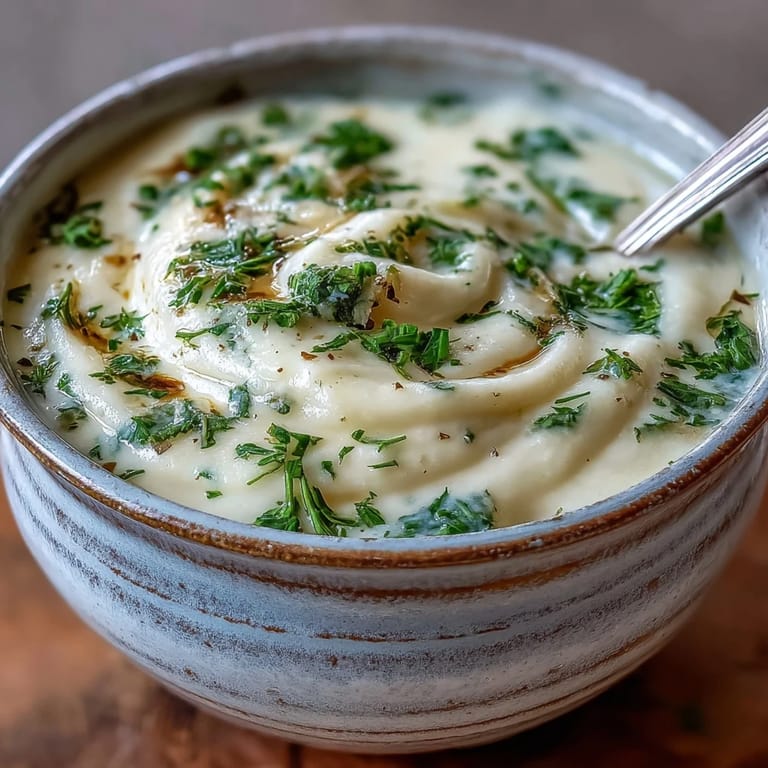
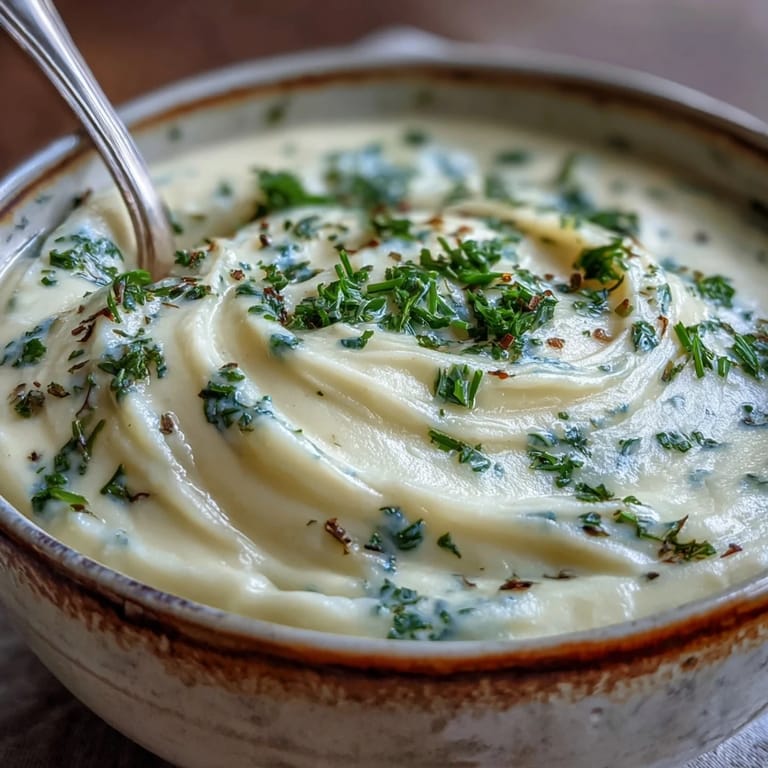
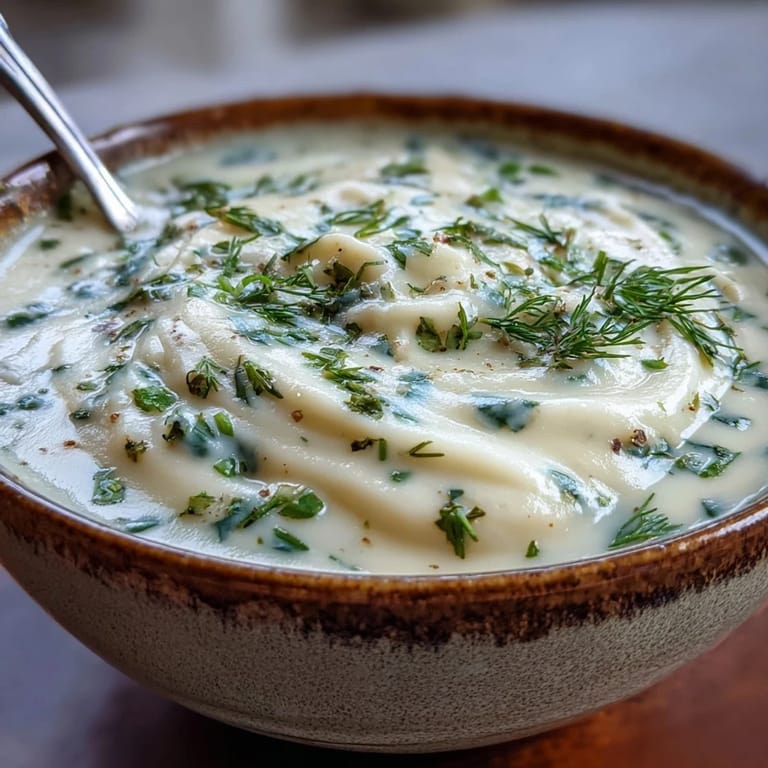
- Ladle the soup into bowls and crown each one with a generous handful of chopped fresh herbs—the contrast between the warm soup and the bright, fresh flavors is what makes this dish sing.
 Pin it
 I remember my neighbor tasting this soup and asking if I'd added honey or sugar—I hadn't, and that moment felt like a small victory. The parsnips' natural sweetness is powerful enough that it transforms the entire bowl into something that tastes almost dessert-like without being cloying.
Why Roasting Changes Everything
Roasting caramelizes the parsnips' sugars and develops deeper flavor notes that simple boiling never achieves. The heat also concentrates their sweetness, so you end up with a soup that feels luxurious and almost creamy from the vegetables themselves, not just from added dairy. It's one of those small technique shifts that makes the difference between a nice soup and one you actually crave.
Customizing Your Herbs and Flavor
Fresh herbs are where you get to play—parsley brings classic freshness, chives add a mild onion note, dill gives you something grassy and unexpected, and tarragon brings elegance if you're feeling fancy. I've served this soup with different herb combinations to different people, and each version feels completely new. The beauty is that you can adjust based on what's growing in your garden or what your grocer has looking fresh that day.
Making It Your Own
This soup is a gentle foundation that welcomes your touch—a squeeze of fresh lemon juice brightens it instantly, toasted seeds scattered on top add textural contrast, and a swirl of good olive oil at the end feels luxurious without fussiness. Some people add a pinch of nutmeg or ground ginger for warmth, while others keep it pure and herbaceous.
- A drizzle of truffle oil or a few crispy sage leaves transform it into something special enough for guests.
- Leftover soup keeps beautifully in the fridge for up to four days, and it actually tastes better on day two once the flavors have mellowed together.
- You can freeze it in portions for up to three months, making it a perfect make-ahead meal for busy weeks.
 Pin it
 This soup has become my go-to when I want to cook something that feels both comforting and intentional. It's the kind of dish that reminds me why I love cooking—simple ingredients transformed by technique into something that brings genuine joy to the table.
Recipe Questions & Answers
- → Can I make this dairy-free?
Absolutely. Substitute the double cream with coconut cream, cashew cream, or your preferred plant-based alternative. The soup remains beautifully creamy and satisfying without dairy.
- → Can I freeze parsnip soup?
Yes, this freezes exceptionally well. Allow to cool completely, then portion into airtight containers or freezer bags. It will keep for up to 3 months. Thaw overnight in the refrigerator and reheat gently, adding a splash of liquid if needed.
- → Why roast the parsnips first?
Roasting caramelizes the natural sugars in parsnips, intensifying their sweetness and adding subtle nutty depth that boiling alone cannot achieve. This extra step creates a more complex, richly flavored finished bowl.
- → What herbs work best?
Parsley and chives provide essential freshness. Dill adds bright, grassy notes that complement parsnip's sweetness beautifully. Tarragon offers mild anise elegance. Feel free to experiment with thyme, rosemary, or whatever herbs you have on hand.
- → How do I get the smoothest texture?
Blend thoroughly, preferably with a high-powered blender or immersion blender. Take your time—processing for 2-3 minutes ensures ultimate silkiness. For extra refinement, pass through a fine-mesh sieve, though this step is optional.
- → What can I serve alongside?
Crusty bread, warm rolls, or toasted baguette slices are perfect for soaking up every drop. A simple green salad with vinaigrette provides fresh contrast. For something crunchier, try toasted pumpkin seeds or roughly chopped walnuts scattered on top.