 Pin it
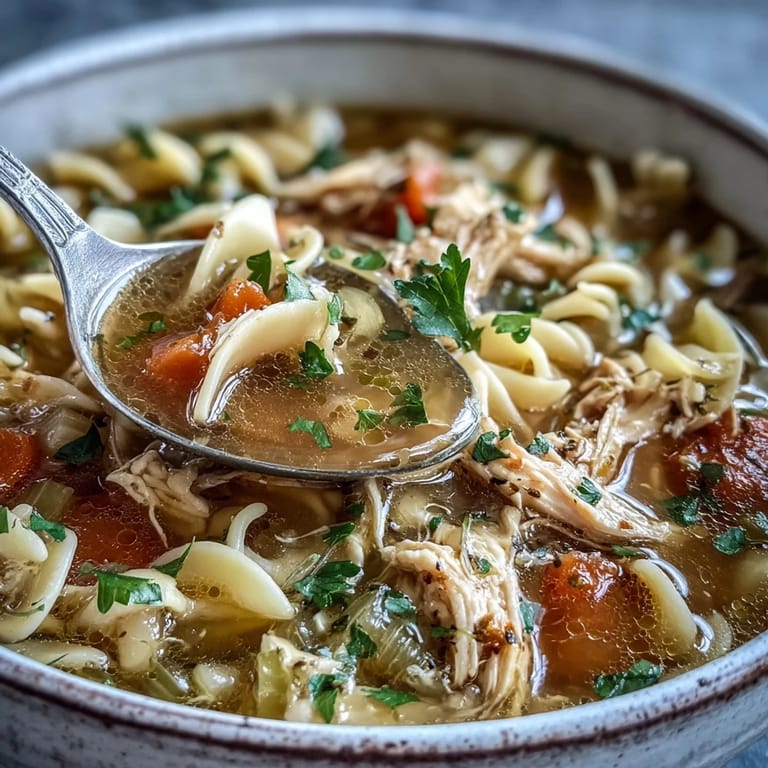
 The steam hits you first when you lift that Instant Pot lid, carrying that perfect chicken soup smell through the whole house. My youngest came home from school absolutely drenched during a surprise thunderstorm last November, wrapped in a towel, shivering at the kitchen island while this soup cooked. We ended up eating it straight from mismatched mugs while watching the rain hammer against the windows, and something about that moment made this recipe stick.
Last winter my neighbor called at 5 PM, sounding completely defeated by a nasty stomach bug that had knocked out her whole family. I brought over a container of this soup, and she texted me the next morning saying it was the first thing her six-year-old had actually kept down in two days. Sometimes the simplest recipes end up being the ones that matter most.
Ingredients
- 1 lb boneless skinless chicken breasts or thighs: Thighs stay juicier during pressure cooking, but breasts work perfectly fine if thats what you have on hand
- 1 medium onion diced: Yellow onions give the best sweet-savory foundation, no need to chop perfectly since everything softens down
- 3 medium carrots peeled and sliced: Cut them about ¼ inch thick so they cook through but dont turn to mush
- 3 celery stalks sliced: Include some of the leafy tops for extra flavor that most people toss out
- 3 cloves garlic minced: Add this right before the broth so it doesnt burn and turn bitter during sautéing
- 8 cups low-sodium chicken broth: Starting with low-sodium lets you control the salt level, especially important since pressure cooking concentrates flavors
- 1 tsp dried thyme: This herb pairs so naturally with chicken, becoming earthier under pressure
- 1 tsp dried parsley: Fresh would burn, but dried parsley holds up beautifully and adds that classic soup flavor
- 1 bay leaf: The secret backbone ingredient that makes the broth taste professionally developed
- ½ tsp black pepper: Freshly cracked makes a noticeable difference in the warming finish
- 1 tsp salt or to taste: Start here and adjust after cooking since the noodles will absorb some saltiness
- 6 oz egg noodles: These hold their texture better than pasta shapes and feel more traditional in chicken noodle soup
- 2 tbsp fresh parsley chopped optional: Adds a bright pop of color and fresh flavor that contrasts the long-cooked ingredients
- 1 tbsp olive oil: Just enough to sauté the aromatics and build that flavor base
Tired of Takeout? 🥡
Get 10 meals you can make faster than delivery arrives. Seriously.
One email. No spam. Unsubscribe anytime.
Instructions
- Sauté the foundation:
- Hit Sauté mode, let the olive oil shimmer, then cook your onion, carrots, and celery until the kitchen starts smelling like someone knows what theyre doing, about 3 to 4 minutes.
- Add the aromatic punch:
- Toss in the garlic and stir constantly for just 30 seconds—youll catch that incredible garlicky waft and know its time to move on before it scorch.
- Layer in the chicken:
- Arrange the chicken right on top of the softened vegetables so it stays partially elevated while cooking.
- Build the broth:
- Pour in all 8 cups of broth, then add thyme, parsley, bay leaf, pepper, and that initial teaspoon of salt, stirring gently to distribute the herbs without disturbing the chicken too much.
- Pressure cook perfection:
- Lock the lid, double-check that valve is set to Sealing, and cook on High Pressure for exactly 10 minutes.
- Release strategically:
- Let the pot do its thing naturally for 5 minutes, then carefully switch to quick release and stand back while the steam escapes.
- Shred while hot:
- Transfer chicken to a plate and use two forks to pull it apart—itll shred easily since its perfectly tender.
- Cook the noodles:
- Hit Sauté again, add egg noodles directly to the bubbling broth, and let them swim for 5 to 6 minutes until they reach that perfect tender bite.
- Bring it all together:
- Return shredded chicken to the pot, give everything a stir, taste the broth, and add more salt or pepper if needed.
- Finish and serve:
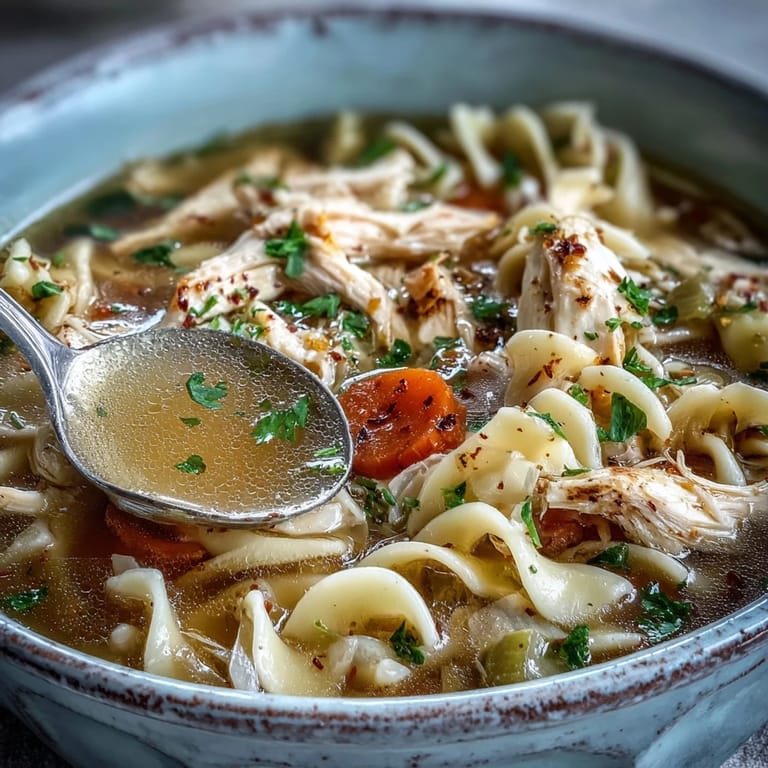
- Fish out and discard the bay leaf, ladle into bowls, and scatter fresh parsley on top like you actually plated it at a restaurant.
 Pin it
 My dad has this thing about chicken noodle soup being his personal barometer for whether someone can actually cook. The first time I made this for him, he took that first cautious spoonful, went completely silent for what felt like way too long, and then asked if I'd written the recipe down for him yet. Coming from a man who's spent forty years perfecting his own version, that felt like the ultimate compliment.
Making It Your Own
Sometimes I throw in aParmesan rind during pressure cooking if I have one stashed in the freezer—it adds this incredible depth that people notice but can't quite identify. Rotisserie chicken works beautifully if you're trying to get dinner on the table even faster, just add it during the last few minutes so it warms through without overcooking.
The Noodle Situation
Egg noodles are traditional for a reason—their texture just belongs in chicken soup—but I've used ditalini, shells, and even broken spaghetti in a pinch. Whatever pasta you choose, slightly undercook it in the broth since it'll continue softening in the hot soup, and never exceed 8 ounces or you'll end up with pasta and a little bit of soup instead of the other way around.
Storage And Make-Ahead Magic
This soup actually tastes better the next day as the flavors continue melding in the refrigerator, but store noodles separately if possible. The broth freezes beautifully for up to three months, just leave the noodles out and cook fresh ones when you reheat.
- Cool the soup completely before transferring to airtight containers
- Thaw frozen broth overnight in the refrigerator, not on the counter
- Add a splash of fresh broth when reheating if the soup has thickened up too much
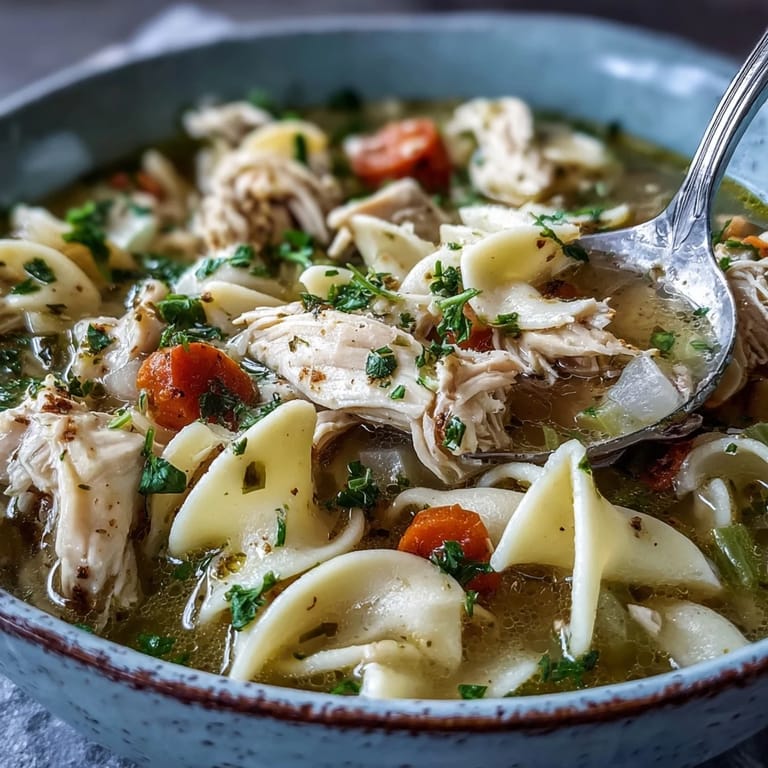 Pin it
 Theres something about hearing the refrigerator door open an hour after dinner and knowing someones back for seconds, standing over the stove in their pajamas eating cold soup straight from the ladle. That's when you know a recipe has become part of the family rotation.
Recipe Questions & Answers
- → Can I use chicken thighs instead of breasts?
Yes, boneless chicken thighs work wonderfully and often stay more tender during pressure cooking. Follow the same timing and shredding method.
- → How do I store leftovers?
Cool completely and store in an airtight container in the refrigerator for up to 4 days. The noodles will continue softening, so add fresh noodles when reheating if preferred.
- → Can I freeze this soup?
Freeze without the noodles for best results. The broth, chicken, and vegetables freeze well for up to 3 months. Add freshly cooked noodles when reheating.
- → What can I substitute for egg noodles?
Use gluten-free noodles, rice, orzo, or even small pasta shapes like shells or ditalini. Adjust cooking time based on package instructions.
- → Why do I need to sauté the vegetables first?
Sautéing the vegetables releases their natural sugars and develops deeper flavor before pressure cooking, creating a more aromatic and well-rounded broth.
- → Can I use rotisserie chicken?
Absolutely. Skip the pressure cooking step for the chicken, add shredded rotisserie meat when you add the noodles, and simmer until heated through.