 Pin it
 There's something about the smell of orange zest hitting warm butter that makes a kitchen feel less like a room and more like a moment worth remembering. My neighbor stopped by one Saturday morning when I was testing these rolls, and the entire hallway smelled like a citrus grove had somehow moved into my apartment. She didn't even ask—just followed her nose and sat at my counter. By the time the frosting went on, we were both laughing at how much better they looked than I'd expected, and she left with half a dozen rolls wrapped in foil, already texting me photos of her family's reaction.
I made these for a breakfast potluck at work, and honestly wasn't sure if people would care about orange rolls when there were a dozen other sugar-loaded options on the table. Within twenty minutes, there were only crumbs left, and someone asked for the recipe before I'd even finished my coffee. That's when I realized these weren't just good—they were the kind of thing people actually remember eating.
Ingredients
- All-purpose flour: The foundation that needs time to hydrate, so don't rush the kneading step or your rolls will taste dense rather than cloud-like.
- Active dry yeast: Let it bloom in that warm milk mixture—those few foamy minutes are proof the yeast is alive and ready to work for you.
- Fresh orange juice and zest: These are non-negotiable; bottled juice tastes flat, and zest releases oils that make the dough smell incredible while it rises.
- Unsalted butter: Both melted for the dough and softened for the filling—the unsalted part matters because you're controlling the salt yourself.
- Cream cheese for frosting: Must be softened to room temperature or it'll turn grainy and weird when you mix it; take it out of the fridge thirty minutes ahead.
- Powdered sugar: Sifted prevents lumps, though honestly I've stirred it vigorously with a fork and lived to tell the tale.
Tired of Takeout? 🥡
Get 10 meals you can make faster than delivery arrives. Seriously.
One email. No spam. Unsubscribe anytime.
Instructions
- Wake Up the Yeast:
- Warm milk, orange juice, and sugar go into a bowl with the yeast—watch it bloom into a foam layer within minutes. This is your signal that everything's working; if it stays flat and lifeless, start over with fresher yeast.
- Build the Dough Base:
- Melt your butter first, let it cool just slightly, then add it along with the eggs, zest, and salt to the yeast mixture. Stir until it's all incorporated before you even think about adding flour.
- Knead Into Smoothness:
- Add flour gradually while mixing, then knead for a solid eight to ten minutes—your hands or a dough hook should feel the dough go from shaggy to silky and elastic. The dough will still be slightly sticky, which is perfect; too much flour makes everything tough.
- First Rise:
- Grease a bowl, pop your dough in, cover it, and let it sit somewhere warm for about an hour until it's roughly doubled. A spot near a sunny window works; so does an oven with the light on.
- Prepare the Magic Filling:
- Mix sugar and orange zest together and let it sit for a minute—the zest's oils release and turn the sugar into this fragrant, almost wet-looking mixture that's far better than plain sugar.
- Shape and Swirl:
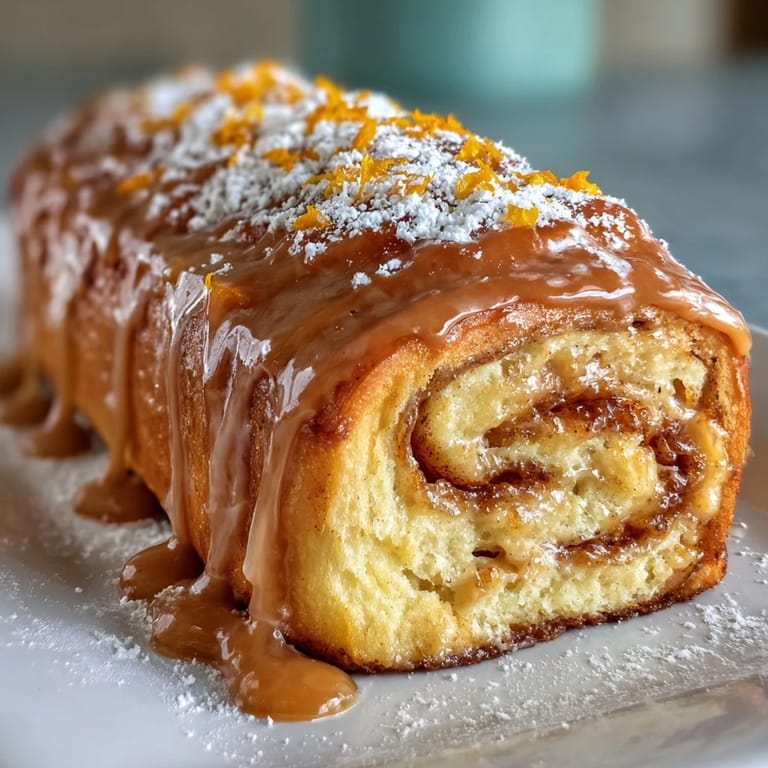
- Punch down your dough, roll it into a 16 by 10-inch rectangle, spread softened butter across it, then scatter that orange sugar like you're being generous. Roll it up tightly from the long side, then slice it into 12 equal pieces using a sharp knife or even dental floss.
- Second Rise:
- Arrange your rolls in a greased baking dish, cover them, and let them puff up for thirty to forty minutes at room temperature. They should look puffy and almost touch each other, but not be completely merged.
- Bake Until Golden:
- Into a 350°F oven they go for twenty-two to twenty-five minutes—they're done when the tops are golden brown and you can see the edges just starting to turn a deeper color. Don't overbake or they'll dry out.
- Make the Frosting:
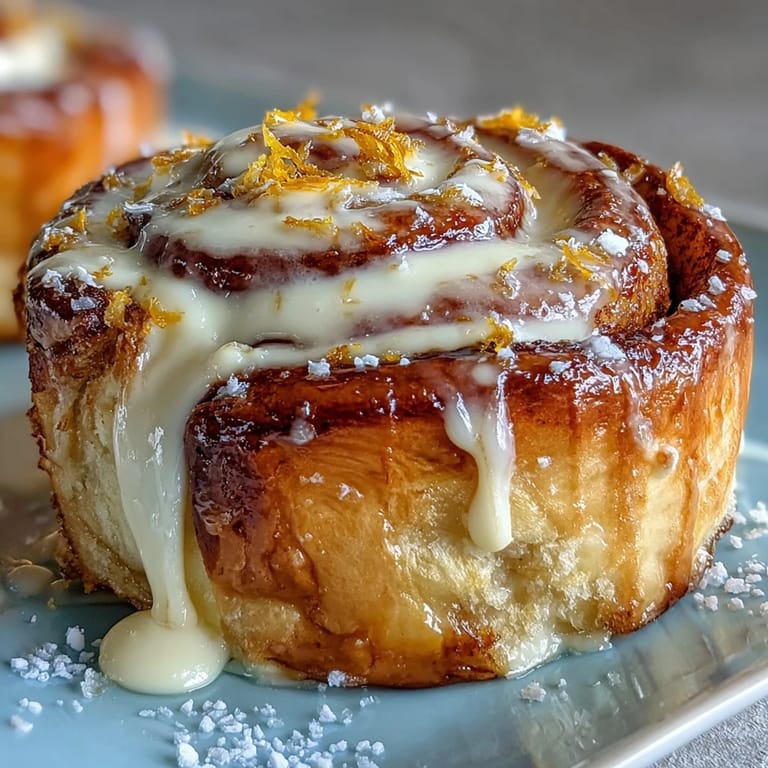
- While the rolls bake, beat your softened cream cheese and butter until smooth and cloud-like, then add powdered sugar, orange juice, zest, vanilla, and salt. Taste it and adjust the orange juice or zest to your preference; this frosting is forgiving.
- The Final Touch:
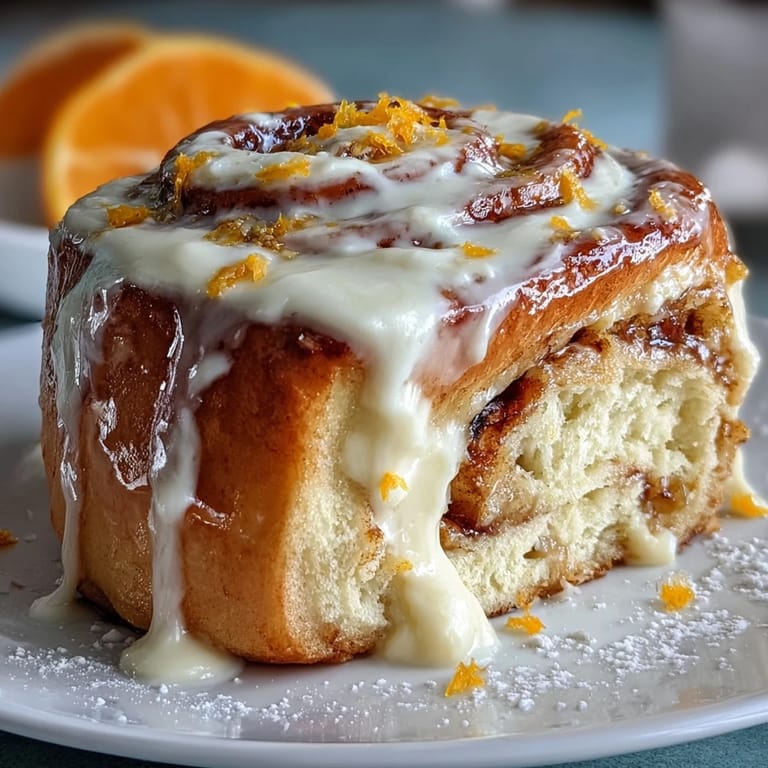
- Let rolls cool for ten minutes, then spread frosting generously over the warm rolls so it melts slightly into the nooks and crannies. This isn't the time for restraint.
 Pin it
 My mom called me during the second rise of a batch I was making, and I put my phone on speaker so she could hear the kitchen quiet—just the sound of the heat and the slight creak of the oven preheating. When I told her I was making orange rolls, she got quiet for a second, then said she'd always wanted to try making something like that. Now I have a standing Sunday plan to make them with her, and honestly, that's become my favorite part of the whole recipe.
Why Orange Works in Breakfast Baking
There's a reason orange and sugar have been friends for centuries—the acidity cuts through richness in a way that vanilla or cinnamon can't quite reach. In these rolls, the orange juice in the dough stays subtle, letting the zest and filling do the real talking. The frosting is where everything comes together though; the orange flavor becomes almost creamy because the citrus oils blend into the cream cheese in a way that tastes sophisticated without trying.
Make-Ahead and Storage Secrets
The morning-of method is lovely, but honestly, the night-before approach changed how I think about weekend hosting. Shape your rolls, cover them tightly, and refrigerate them overnight; the cold actually develops flavor while the yeast works slowly on its own schedule. In the morning, let them come to room temperature for about an hour before baking—they'll puff up even more because they're finishing their rise in a warm kitchen.
Pairing and Serving Ideas
These rolls stand on their own, but they also play beautifully with almost any morning beverage. Earl Grey tea is the obvious choice because the bergamot echoes the orange, but I've also served them with fresh-squeezed orange juice, strong black coffee, or even champagne at a brunch where everything felt a little bit fancier than it actually was.
- A simple butter knife is all you need for cutting and serving—no special tools required once they're baked.
- These rolls reheat beautifully for up to three days if you wrap them loosely and warm them in a 300°F oven for about ten minutes.
- If you want to make the recipe your own, a few drops of orange extract in the frosting adds a subtle depth without tasting artificial.
 Pin it
 These rolls have become my go-to when I want to impress someone without it feeling like I've spent all day in the kitchen. There's something generous about handing someone warm, frosted rolls that smell like citrus, and I've learned that's almost always the right move.
Recipe Questions & Answers
- → How do I achieve a soft texture in these rolls?
Using warm milk and allowing adequate rising time helps develop a soft and fluffy dough. Knead until smooth and elastic for best results.
- → Can I substitute orange zest with other citrus zest?
Yes, lemon or tangerine zest can be used to offer a different citrus profile while still maintaining brightness.
- → What’s the best way to roll and cut the dough evenly?
Roll the dough into a rectangular shape and use a sharp knife or dental floss to slice evenly for uniform rolls.
- → How long should the rolls rise before baking?
Allow them to rise about 30–40 minutes after shaping until puffy to ensure a light texture.
- → Can the frosting be prepared in advance?
Yes, prepare frosting ahead and store covered in the fridge; bring to room temperature and beat before spreading.