 Pin it
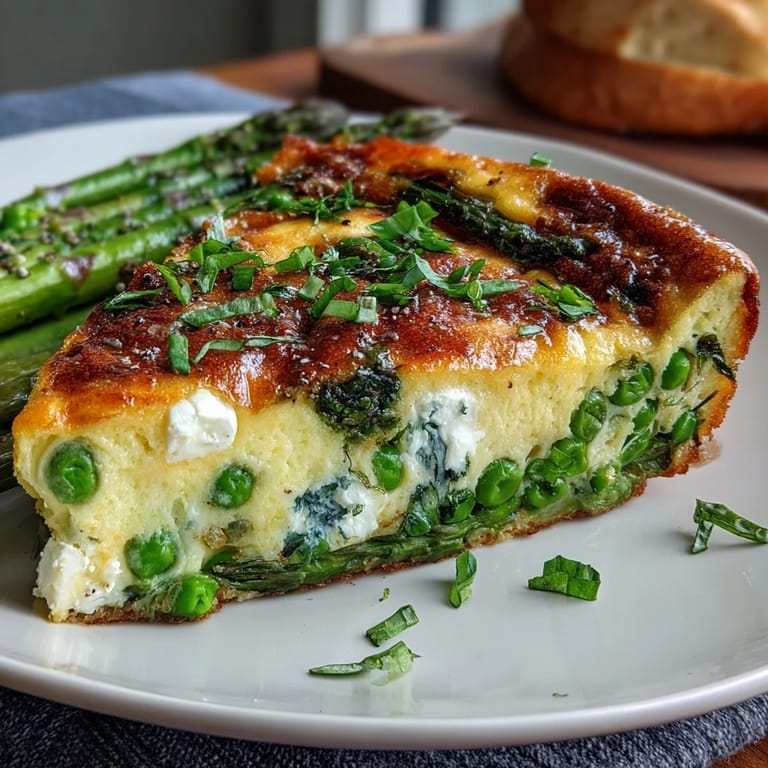
 Early spring always seems to stir curiosity in my kitchen, especially when the markets start bursting with tender asparagus and sweet peas. One quiet morning, as sunlight pooled across my table, I decided to bring those fresh flavors together in a frittata. The gentle sizzle of butter, the grassy scent of chopped chives, and the playful crumbles of goat cheese promised something cheerful for brunch. There's a kind of joy in watching the vibrant greens settle into the creamy eggs, like spring unfolding on a plate. Each time I make this dish, it feels like pressing pause and savoring the season.
The last time I made this spring frittata, my friend dropped by unannounced and ended up helping me whisk the eggs. We laughed at our attempts to flip spinach without spilling any, and by the time the frittata slid from the oven, the kitchen was filled with chatter and the aroma of fresh herbs. Serving it warm, we insisted each slice had to include a generous amount of goat cheese. That afternoon, we lingered at the table with cups of tea and watched the sun drift through the window.
Ingredients
- Asparagus: Trimmed and cut into bite-sized pieces, asparagus brings a crisp, grassy freshness – blanch briefly if yours is extra tough.
- Fresh or Frozen Peas: Their sweet pop makes every forkful feel like spring; frozen peas work well, just thaw first.
- Baby Spinach: Roughly chopped spinach wilts quickly and blends smoothly into the eggs, so pile it in generously.
- Spring Onions: Thinly sliced, these give delicate flavor and a bit of crunch – use both the white and green parts.
- Large Eggs: The base of any frittata, use the freshest you can for a fluffier texture.
- Whole Milk or Cream: Adds richness – creamier results if you opt for cream, but milk keeps it light.
- Goat Cheese: Crumbled goat cheese melts in pockets throughout, giving tang and creaminess – scatter it evenly.
- Unsalted Butter: For sautéing the veggies and keeping the frittata silky; melt gently to avoid browning.
- Fresh Chives: Finely chopped, they add brightness – fold into the egg mixture for subtle flavor.
- Fresh Dill or Parsley: Both bring herbal notes – dill is earthier, parsley lighter, so choose what feels right.
- Salt and Black Pepper: Season to taste just before pouring the eggs, as veggies need a little sprucing up.
Tired of Takeout? 🥡
Get 10 meals you can make faster than delivery arrives. Seriously.
One email. No spam. Unsubscribe anytime.
Instructions
- Preheat the Oven:
- Set your oven to 375°F (190°C) so it's ready when the frittata goes in.
- Sauté the Veggies:
- Melt butter in your oven-safe skillet and toss in asparagus; let it sizzle for a couple of minutes, then add peas and spring onions and stir until just tender and bright.
- Wilt the Spinach:
- Stir in the spinach and watch it fade from voluminous greens to silky streams in seconds.
- Whisk the Eggs:
- In a roomy bowl, whisk together eggs, milk or cream, chives, dill or parsley, salt, and pepper until light and frothy.
- Pour and Cook:
- Gently pour your egg mixture over the vegetables, letting it settle; cook undisturbed for 3–4 minutes so the edges softly set.
- Add the Goat Cheese:
- Scatter crumbled goat cheese evenly atop – don't be shy, give each slice a creamy treat.
- Bake:
- Transfer the skillet into the oven and bake for 10–12 minutes; peek in as it puffs and sets caringly in the middle.
- Cool and Serve:
- Let your frittata rest for 5 minutes, then slice and serve warm (or let it cool for a mellow lunch).
 Pin it
 This dish turned a lazy weekend into a celebration when my sister asked for seconds, surprised at how light yet filling it was. She claimed it was the only time peas made her smile, which has become my benchmark for spring cooking success.
Mix and Match Your Veggies
Feel free to swap out the asparagus or peas for zucchini, fava beans, or even tender leeks when they're in season. Each veggie changes the flavor profile a bit, but the basics stay the same: fresh, bright, and forgiving for whatever's on hand.
Serving Suggestions That Work Every Time
Pair the frittata with a peppery green salad and a slice of crusty bread, or keep it lighter with sparkling water laced with lemon. The leftovers are excellent for lunch – just wrap them and pop in the fridge.
Frittata Troubleshooting: Avoiding Soggy Mistakes
Don't add too much milk or cream or the frittata won't set as nicely – stick to measurements for best results. Avoid overcrowding with vegetables so the eggs have space to work their magic.
- If veggies release too much water, dry them on a paper towel before mixing.
- Check the center with a knife; if it's still wet, bake a few minutes longer.
- Sprinkle herbs right before serving for fresh flavor – most wilt if baked inside.
 Pin it
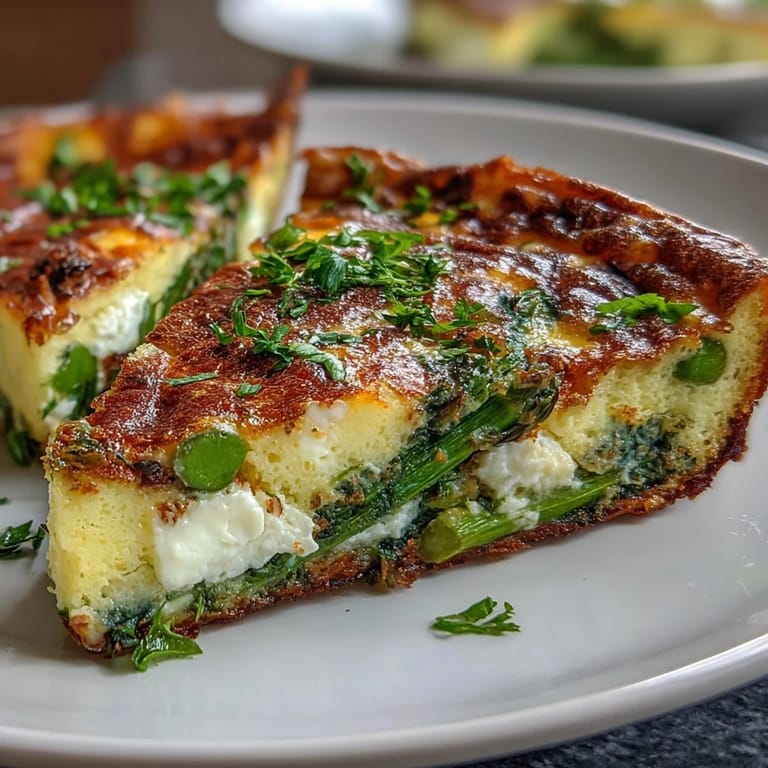
 Making this frittata always feels fresh and easy, and sharing it brings everyone to the table. Hope it brings a little sunshine to your kitchen, too.
Recipe Questions & Answers
- → Can I use other vegetables in the frittata?
Absolutely! You can add zucchini, fava beans, or other seasonal veggies for variation.
- → What is the best cheese alternative for dairy-free diets?
Try plant-based cheese or simply omit the goat cheese for a dairy-free option with similar texture.
- → How do I prevent the frittata from sticking to the pan?
Using a nonstick oven-safe skillet and melting butter before adding ingredients helps prevent sticking.
- → Can I serve the frittata cold?
Yes, it tastes delicious sliced and served at room temperature or chilled, perfect for picnics or meal prep.
- → Which herbs complement the flavors best?
Fresh chives, dill, or parsley add brightness and depth to the spring vegetables and eggs.
- → Is the dish suitable for gluten-free diets?
Yes, this frittata is naturally gluten-free but always confirm cheese and butter labels for hidden ingredients.