 Pin it
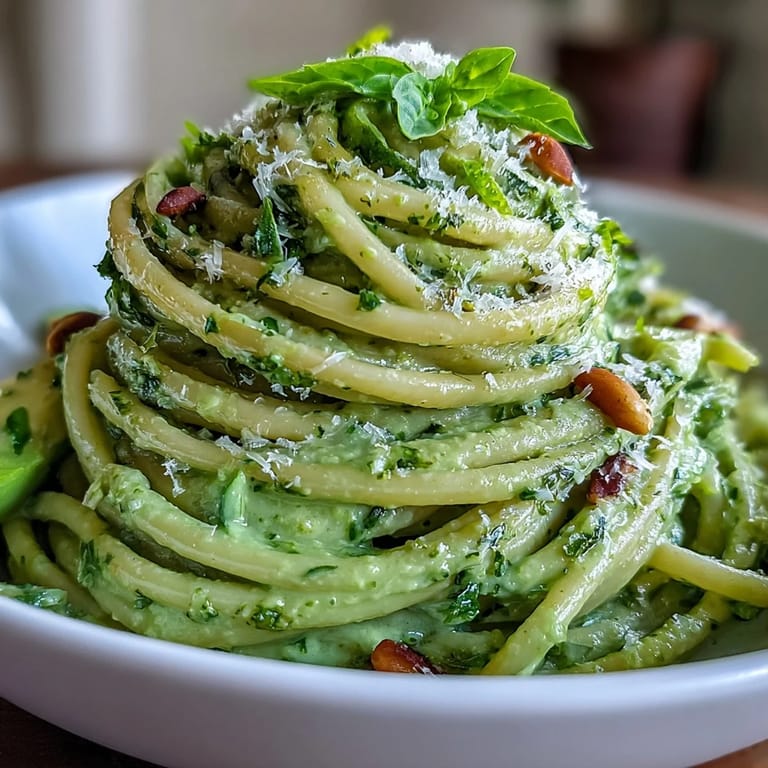
 It was a muggy afternoon when I first tossed together this creamy avocado pesto pasta. The kitchen windows were thrown wide open and the basil on my counter perfumed the whole room, almost daring me not to turn it into something special. I wasn’t in the mood to fuss with sauces bubbling on the stove, and I remember thinking, What if the sauce never touches heat? That first batch was so green and fresh, the color alone brought a grin to my face. It’s become my shortcut dinner for when the clock is ticking and I crave something more exciting than takeout.
Last spring, I made this for a few friends who stopped by unexpectedly after a long walk—windblown, sun-freckled, and hungry. It turned into a lively kitchen moment, everyone gathering around to watch the pesto whirl together in the blender, laughing when someone tried (and failed) to twirl pasta gracefully onto a plate. That impromptu dinner is the reason I always keep an avocado or two on hand. Even with a crowded counter and a bit of chaos, the meal worked its magic and left us lingering at the table long after the food was gone.
Ingredients
- Pasta: I usually grab spaghetti or linguine, and if someone needs gluten-free, the swap is seamless; make sure to cook it just until al dente for the best bite.
- Avocados: Choose avocados with a slight give when pressed—too firm and they won’t blend smoothly, too soft and things get a bit mushy.
- Fresh Basil Leaves: A cup of fresh basil delivers that signature pesto aroma—no dried basil allowed here; it’s the heart of the sauce.
- Pine Nuts (or Walnuts): Pine nuts bring their gentle sweetness, but I love swapping in toasted walnuts for a richer, earthier edge.
- Garlic: Just two cloves, but don’t be tempted to add more unless you truly love a bold punch; raw garlic is potent in this uncooked blend.
- Parmesan Cheese: Grate it fresh if you can—pre-grated just doesn’t melt luxuriously into the sauce.
- Lemon Juice: Lemon brightens and balances everything, but add a touch at a time so it doesn’t overpower the avocado’s creaminess.
- Extra Virgin Olive Oil: A quality olive oil brings out the silkiness; I once tried skipping it and the sauce was missing its lush finish.
- Salt and Black Pepper: Season carefully, tasting as you go; a pinch more salt usually wakes up the basil and avocado.
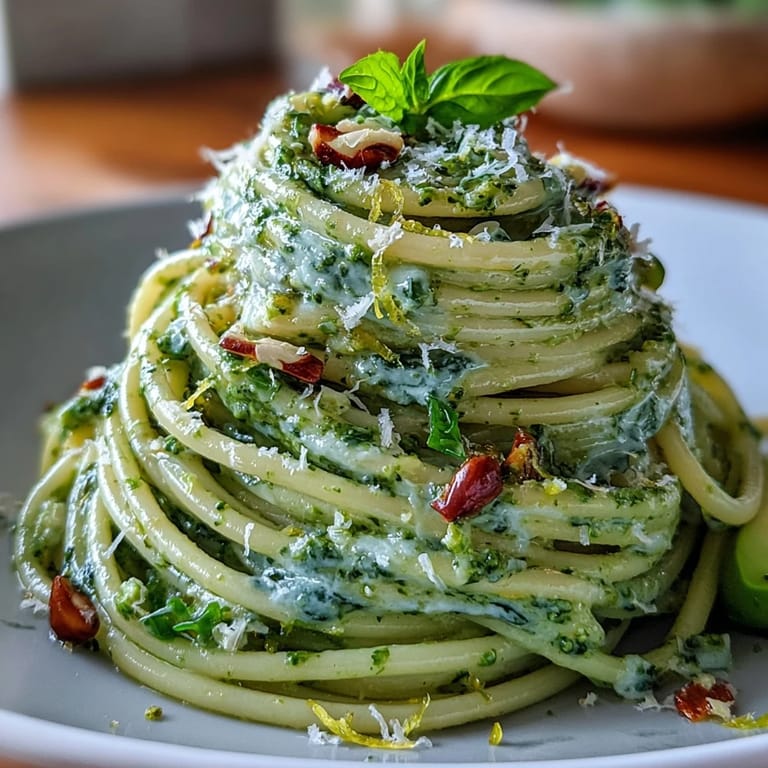
- Optional Garnishes: Extra Parmesan, basil, and lemon zest make each serving feel a bit special and even more vibrant.
Tired of Takeout? 🥡
Get 10 meals you can make faster than delivery arrives. Seriously.
One email. No spam. Unsubscribe anytime.
Instructions
- Boil the Pasta:
- Bring a generous pot of salted water to a rolling boil and cook the pasta until just al dente. Reserve half a cup of pasta water, then drain—the steam will carry hints of wheat and anticipation into the kitchen.
- Blend the Avocado Pesto:
- While the pasta bubbles away, add avocado, basil, nuts, garlic, Parmesan, lemon juice, and olive oil to your blender or food processor. Pulse until creamy and smooth, stopping to scrape down the sides; season with salt and pepper, tasting for brightness and richness.
- Combine Sauce and Pasta:
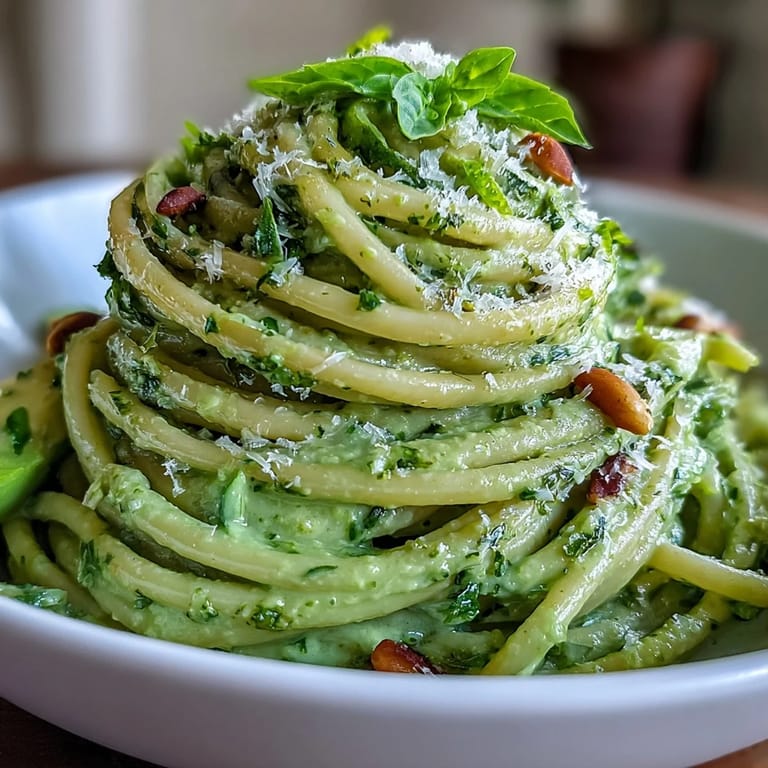
- Return the hot pasta to its pot, pour on the luscious pesto, and toss vigorously, adding reserved pasta water in splashes until everything is coated in a dreamy green gloss.
- Serve and Garnish:
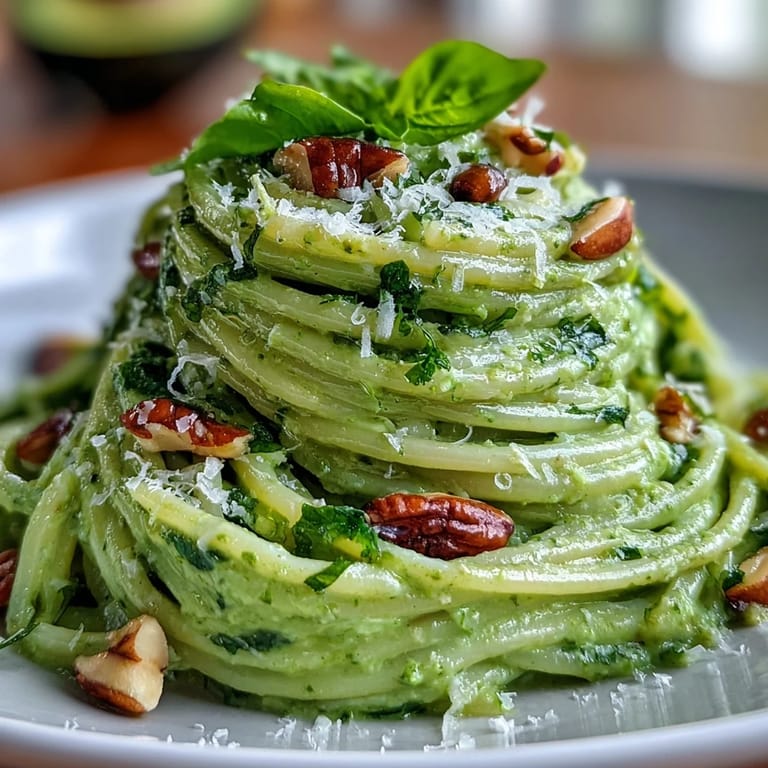
- Plate immediately, showering with extra cheese, basil, and a bit of lemon zest if you’re feeling fancy—every bite should sparkle with freshness.
 Pin it
  Pin it
 There was an evening when all I wanted was comfort food but didn’t want the heaviness that sometimes comes with creamy sauces. I remember swirling the first forkful and genuinely pausing, surprised at how something so vibrant could feel so satisfying. That’s when I realized this dish had found a permanent spot in my weeknight rotation—quick, nourishing, and a little bit showy in its green glory.
How to Make It Even Easier
If I’m feeling ultra-lazy or pressed for time, I’ll prep the pesto ingredients in advance so I only have to blend and toss when hunger strikes. You can even have the pasta water measured and pans ready—sometimes efficiency is its own kind of joy. Keeping everything at arm’s length means you’re just minutes away from a meal that feels way more elaborate than it is.
Swaps and Variations That Shine
Each time I make this, I play around with the nuts or toss in cherry tomatoes, baby spinach, or even leftover roasted vegetables. For friends avoiding dairy, a vegan Parmesan or a sprinkle of nutritional yeast gives the sauce a similar savory kick. Don’t hesitate to get creative—the base recipe is endlessly adaptable and forgiving.
Serving Suggestions and Leftover Wisdom
I’ve found that serving this pasta right away makes all the difference; avocado doesn’t love to wait. If you do have leftovers (unlikely in my house), press a piece of plastic wrap directly on the surface of the sauce to keep it green as long as possible.
- Always reserve more pasta water than you think you’ll need—it can revive the dish perfectly if reheating.
- Lemon zest on top right before serving gives an unexpected burst of flavor.
- Try chopping fresh herbs over each bowl for a color and aroma boost.
 Pin it
  Pin it
 This dish feels like sunshine on the table and comes together even on your laziest days. Here’s hoping it adds a bit of fresh flavor and ease to your next meal, too.
Recipe Questions & Answers
- → How do I keep the avocado sauce from browning?
Bright acid from lemon juice slows browning; press a piece of cling film on the surface if storing briefly, or keep the pit with the mixture and refrigerate in an airtight container. Stir and add fresh lemon before serving.
- → Can I make this dish dairy-free?
Yes. Replace Parmesan with nutritional yeast or a vegan hard cheese alternative and taste for seasoning. The avocado provides richness, so the texture stays creamy even without dairy.
- → What are good nut substitutes for pine nuts?
Walnuts or almonds work well and are more economical. Sunflower seeds also make a nut-free option; lightly toast them for extra depth of flavor.
- → How do I get the right creaminess and texture?
If the sauce is too thick, thin it with reserved pasta cooking water a tablespoon at a time until it coats the pasta. Extra olive oil or a splash of lemon juice can also smooth the texture and brighten the flavor.
- → How long can leftovers be kept and how should they be reheated?
Leftovers keep 1–2 days in the fridge but may darken. Store in an airtight container, stir in a little lemon and fresh pasta water or olive oil before serving. Reheat gently or enjoy chilled as a pasta salad.
- → Which pastas work best with this sauce?
Long strands like spaghetti or linguine catch the silky sauce well, but short shapes with ridges also do a great job. Use gluten-free pasta if needed; cook to al dente for best texture.
- → What mix-ins and proteins pair well with this dish?
Additions like halved cherry tomatoes, grilled chicken, shrimp, or roasted vegetables complement the creamy pesto. Toss them in at the end so the sauce coats everything evenly.