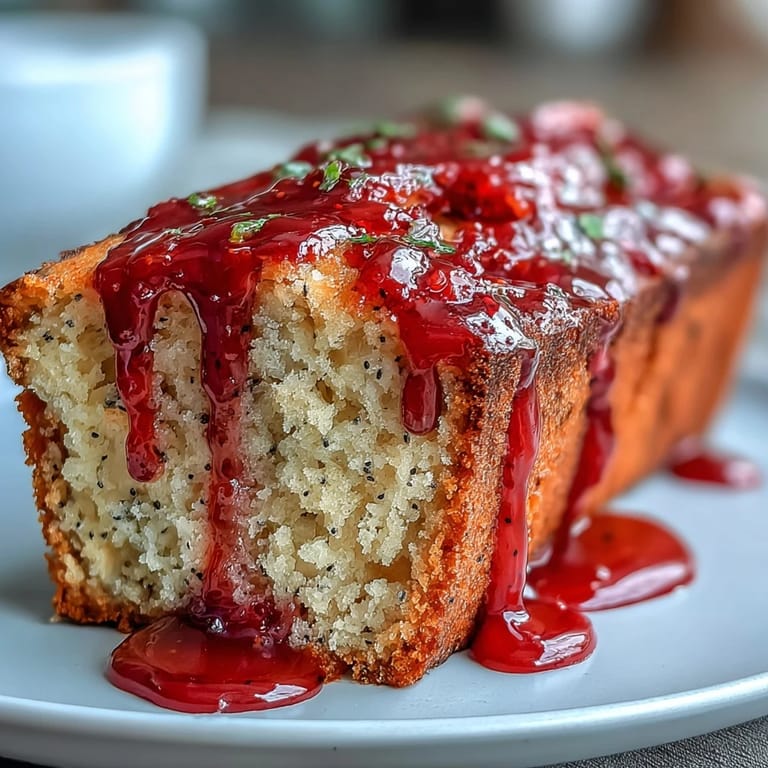
 Pin it
 The smell of blood orange zest hit me before I even turned on the mixer. I was grating the peel over a white bowl, and tiny droplets of oil were misting up, catching the morning light through the kitchen window. My hands were stained faintly pink from the fruit, and I remember thinking how much more alive this felt than baking with regular oranges. There's something about blood oranges that feels like a small rebellion against January.
I made this the first time for a friend who was visiting from Copenhagen, someone who grew up on almond cake and didn't trust American baking. She took one bite, paused, then cut herself a second slice before she'd even swallowed. That pause told me everything. We ate half the loaf that afternoon with black coffee, and she asked for the recipe before she left.
Ingredients
- All-purpose flour: The backbone of the crumb, I always spoon it into the cup and level it off so the cake doesn't turn dense.
- Baking powder: Make sure it's fresh or the cake won't rise properly, I learned that the hard way once.
- Salt: Just a pinch to balance the sweetness and bring out the citrus.
- Poppy seeds: They add texture and a faint nuttiness that plays well with marzipan.
- Unsalted butter: Softened to room temperature so it creams properly with the sugar and zest.
- Granulated sugar: I rub it with the zest first to release the oils, it makes the whole batter more fragrant.
- Blood orange zest: This is where the color and perfume live, don't skip it.
- Eggs: Room temperature eggs blend in smoother and create a more even batter.
- Marzipan: Grate it on the coarse side of a box grater so it melts into the cake instead of clumping.
- Blood orange juice: Freshly squeezed is worth it, the flavor is brighter and the color more vivid.
- Whole milk: Adds richness and helps the crumb stay tender.
- Vanilla extract: A quiet background note that ties everything together.
- Powdered sugar: For the glaze, sifted if you want it perfectly smooth.
Tired of Takeout? 🥡
Get 10 meals you can make faster than delivery arrives. Seriously.
One email. No spam. Unsubscribe anytime.
Instructions
- Prep the Pan:
- Preheat your oven to 175°C and line your loaf pan with parchment so the cake releases cleanly. I leave a little overhang on the sides to lift it out easily later.
- Mix the Dry Ingredients:
- Whisk together the flour, baking powder, salt, and poppy seeds in a bowl. Set it aside while you work on the wet ingredients.
- Cream the Butter and Sugar:
- Beat the butter, sugar, and blood orange zest until it's pale and fluffy, about three minutes. The zest will release its oils into the sugar and the whole kitchen will smell like citrus.
- Add the Eggs:
- Beat in the eggs one at a time, letting each one blend in completely before adding the next. The mixture should look smooth and glossy.
- Fold in the Marzipan:
- Stir in the grated marzipan gently until it's evenly distributed through the batter. You'll see little flecks of it throughout.
- Combine the Liquids:
- In a small bowl, mix the blood orange juice, milk, and vanilla extract. This keeps the acid from curdling the butter mixture.
- Alternate Wet and Dry:
- Add the flour mixture in three additions, alternating with the orange juice mixture, starting and ending with flour. Mix just until combined, overmixing will make the cake tough.
- Bake the Loaf:
- Pour the batter into your prepared pan and smooth the top with a spatula. Bake for 45 to 55 minutes, until a toothpick comes out clean.
- Cool Completely:
- Let the cake cool in the pan for 10 minutes, then turn it out onto a wire rack. It needs to be completely cool before you glaze it or the icing will run off.
- Glaze and Serve:
- Whisk powdered sugar with blood orange juice until smooth and drizzle it over the cooled cake. Let it set for a few minutes before slicing.
 Pin it
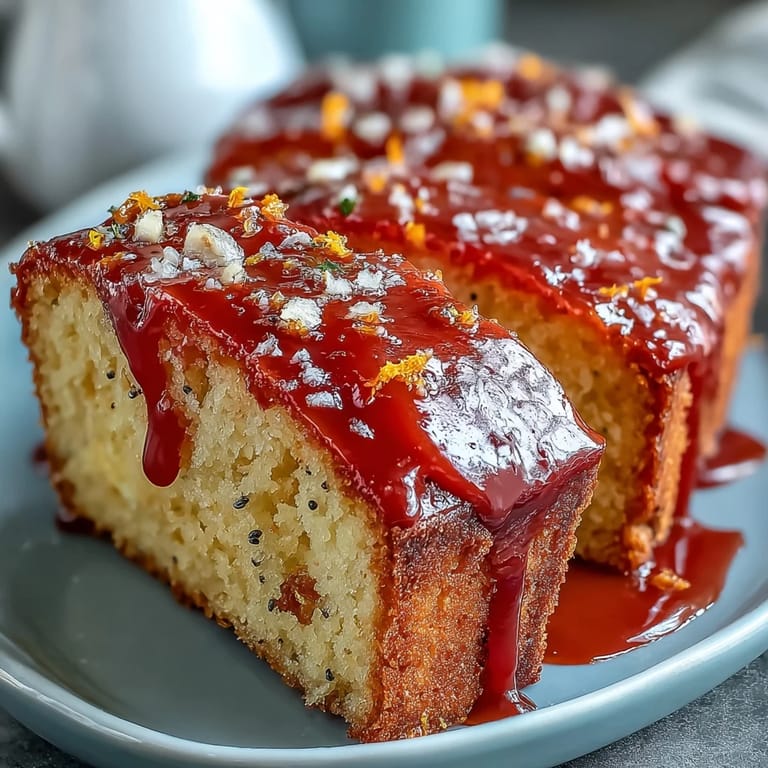
 I brought this to a brunch once where everyone was trying to out-impress each other with homemade everything. Someone had made croissants from scratch, someone else had cured salmon. But this loaf, with its shocking pink glaze and simple slices on a white plate, kept disappearing. By the end of the morning, people were scraping up crumbs with their fingers. It reminded me that the best food doesn't need to be complicated, it just needs to taste like something.
Storing and Keeping It Fresh
This cake stays moist for three days if you keep it in an airtight container at room temperature. I wrap it in parchment first, then seal it in a tin or plastic container. The marzipan and orange juice keep the crumb from drying out, so it actually tastes better on day two. If you want to keep it longer, wrap individual slices in plastic wrap and freeze them for up to a month.
Variations Worth Trying
If you can't find blood oranges, regular oranges work fine but you lose that ruby color. I've also made this with Meyer lemons and it turned out beautifully, just use the same amount of juice and zest. For a boozy version, replace two tablespoons of the milk with Grand Marnier or Cointreau. You can also swap the poppy seeds for finely chopped pistachios if you want more color and crunch.
Serving Suggestions
I love this with a pot of Earl Grey or a glass of chilled Prosecco if it's a special occasion. It's rich enough to stand on its own, but a dollop of lightly sweetened whipped cream or mascarpone on the side never hurts. If you're serving it for brunch, slice it thick and toast it lightly in a pan with a little butter, the edges caramelize and it tastes like dessert for breakfast.
- Serve it with Greek yogurt and fresh berries for a lighter finish.
- Dust the top with extra powdered sugar if you want to skip the glaze.
- Pair it with a citrus salad for a elegant finish to a winter meal.
 Pin it
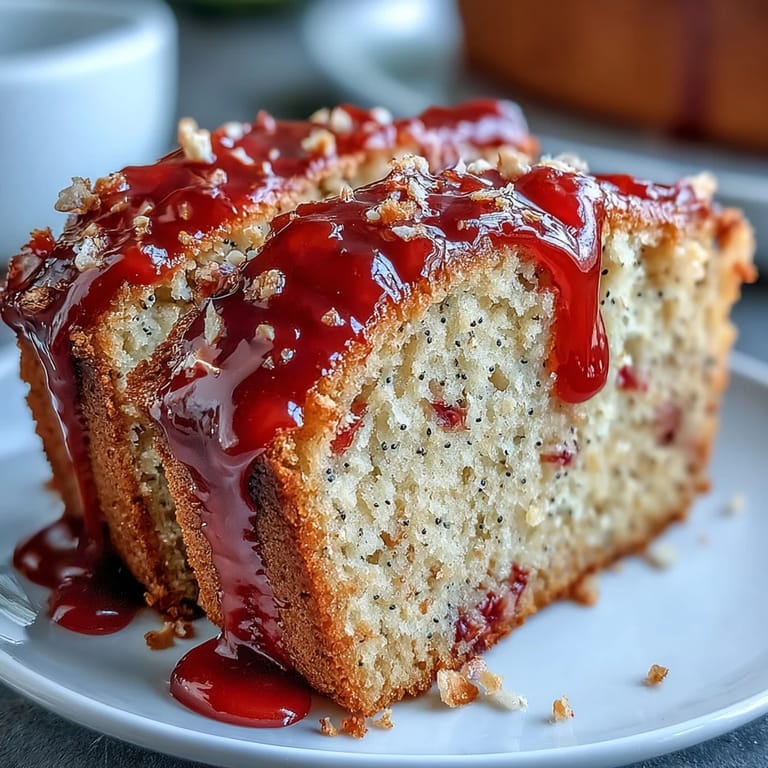
 This loaf has become my go-to when I want to bake something that feels special without spending all day in the kitchen. It's the kind of cake that makes people lean in and ask what's in it, and I love that.
Recipe Questions & Answers
- → Can I use regular oranges instead of blood oranges?
Yes, regular oranges work well, though you'll lose the distinctive ruby color and slightly berry-like flavor that blood oranges provide.
- → How do I know when the loaf is fully baked?
Insert a toothpick into the center—it should come out clean or with just a few moist crumbs. The top should be golden and spring back when lightly pressed.
- → Can I freeze this loaf cake?
Absolutely. Wrap the cooled, unglazed loaf tightly in plastic wrap and foil, then freeze for up to 3 months. Thaw at room temperature and add glaze before serving.
- → What can I substitute for marzipan?
Almond paste is the closest substitute, offering a deeper almond flavor. You can also use finely ground almonds mixed with a bit of sugar, though the texture will differ slightly.
- → How should I store leftovers?
Keep the glazed loaf in an airtight container at room temperature for 2–3 days. For longer storage, refrigerate for up to a week or freeze as mentioned above.
- → Can I make this dairy-free?
Yes, substitute the butter with a plant-based alternative and use almond or oat milk instead of whole milk. Ensure your marzipan is also dairy-free.